
EV Charger Installation
EV Charger Installation in Southeast Michigan
Bring convenient EV charging home with an installation planned around your vehicle, charging equipment, and electrical system.
Metro Electric provides professional EV charger installation in Southeast Michigan, with a focus on Level 2 home charging. Before installation, our licensed electricians evaluate the charger requirements, available electrical capacity, panel space, household load, and the location where you plan to charge.
Whether your new EV is already in the driveway or you are preparing for a future purchase, we can help you build a charging setup that makes sense for your home.
Make Home Charging Part of Your Routine
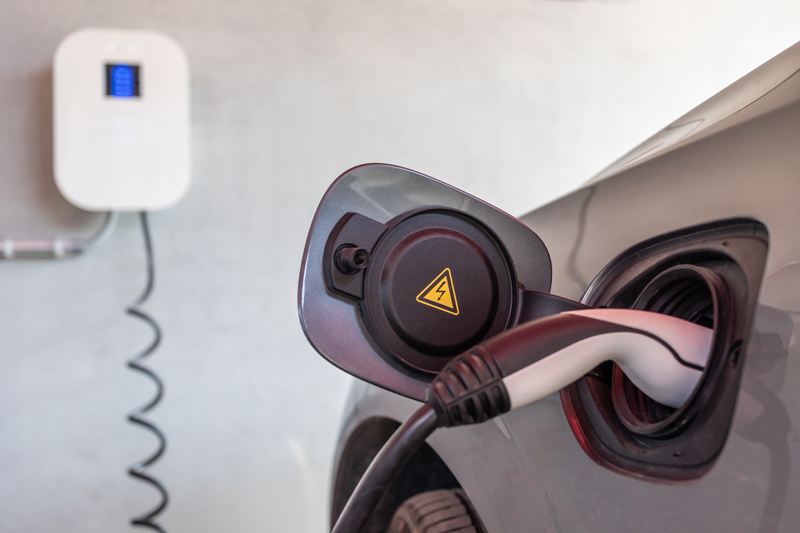
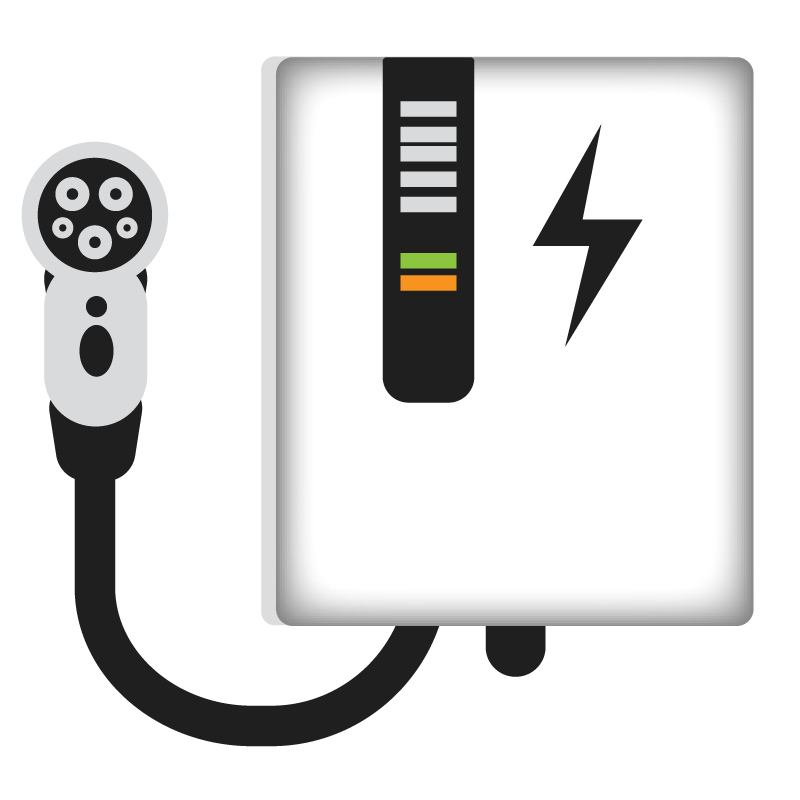
Level 2 charging gives many EV owners a more practical way to recharge at home than relying primarily on a standard household outlet or making frequent trips to public charging stations. The right setup depends on your vehicle, how you drive, the charger you select, and what your home’s electrical system can support.
Is Level 2 Home Charging Right for You?
For homeowners who regularly charge an electric vehicle at home, Level 2 charging can provide faster charging than a standard household outlet. It can be especially useful when the vehicle spends several hours parked at home each day or overnight.
You may want to consider a dedicated home charger if you:
- Drive an electric vehicle or plug-in hybrid regularly
- Want to recharge your vehicle overnight
- Need faster home charging than a standard outlet provides
- Have a longer daily commute
- Own or plan to own more than one electric vehicle
- Want to rely less on public charging stations
- Have an EV arriving soon and want the home ready first
- Want to make your garage EV-ready for the future
Actual charging performance varies by vehicle, onboard charging capability, charging equipment, and electrical configuration. Metro Electric can help determine what your specific setup requires rather than treating every EV installation the same.
Can Your Electrical System Support an EV Charger?
Installing an EV charger does not automatically mean you need a new electrical panel. What matters is whether your existing electrical system has the capacity and configuration to accommodate the additional charging load.
Before installation, Metro Electric can evaluate the existing electrical service, available breaker space, household electrical demand, and the requirements of the charger you plan to use.
If the current electrical system can support the charger, a panel replacement may not be necessary. If additional capacity or electrical work is needed, we can explain why and discuss the appropriate options.
For homes where the existing equipment cannot accommodate planned electrical demand, learn more about Metro Electric’s service panel upgrades.
We Look at the Whole Charging Setup
- Existing electrical service
- Available panel capacity
- Available breaker space
- Current household electrical loads
- Vehicle charging requirements
- Charger specifications
- Proposed charger location
- Future electrical plans
Planning the Right EV Charger Setup
The charger itself is only one part of the project. Its electrical requirements, location, installation method, and compatibility with your vehicle all need to work together.
Vehicle and Charger Compatibility
Your vehicle determines how much charging power it can accept, while the charging equipment determines what it can deliver. Choosing higher-output equipment does not necessarily mean every EV will charge at that maximum rate.
Hardwired or Plug-In Charging
Some charging equipment is designed for hardwired installation, while other equipment may support a plug-in configuration. The appropriate setup depends on the charger manufacturer’s requirements and the electrical installation.
Indoor or Outdoor Charging
Charging equipment may be installed in garages or suitable outdoor locations when the equipment and electrical components are appropriate for the environment.
Charger Location
Where you park matters. Charger placement should account for charging-cable reach, the route from the electrical panel, mounting location, and how the vehicle normally enters the garage or driveway.
Smart Charging Features
Depending on the equipment you choose, available features may include charging schedules, energy monitoring, app controls, and other connected functions.
Future Charging Needs
If another EV may be added later, or you are already planning other electrical upgrades, discussing those plans during the initial evaluation can help you make a more informed decision.
What to Expect From Your EV Charger Installation
Metro Electric starts with the electrical system and your actual charging needs before determining the scope of work.
1. Review Your Charging Needs
We discuss your vehicle, charging equipment, parking location, typical charging habits, and any future EV plans. If you already purchased a charger, its specifications help guide the electrical evaluation.
2. Evaluate the Panel and Electrical Load
Our electrician evaluates the existing electrical service, panel capacity, breaker space, and relevant household loads to determine what the system can support.
3. Plan the Installation
We determine an appropriate circuit and wiring approach based on the charging equipment and its proposed location.
4. Identify Any Additional Electrical Needs
If the existing electrical system cannot appropriately support the planned charger, we explain what needs to change and why before additional work moves forward.
5. Complete the Electrical Installation
Metro Electric installs the required circuit and electrical components for the approved charging configuration.
6. Verify the Completed Setup
The completed electrical installation is checked for proper operation so you can begin using the charger as intended.
Permits and Electrical Requirements
A Level 2 charger becomes part of the home’s electrical system, so applicable electrical requirements need to be considered as part of the installation. Permit and inspection requirements may also vary depending on the municipality and scope of work.
Projects involving a new dedicated circuit, service changes, panel work, outdoor equipment, or wiring to another structure may have different requirements. Metro Electric can determine what applies to the planned electrical work.
Detached Garages and Outdoor Charging
Your EV does not have to be parked directly beside the home’s main electrical panel. Charging may be possible in an attached garage, detached garage, driveway, or another suitable location.
Distance from the electrical panel, existing power to a detached structure, wiring routes, weather exposure, and charger specifications can all affect the project. Metro Electric can evaluate the property and determine what the proposed location requires.
Not Buying an EV Yet? Make Your Home Charger-Ready
If an electric vehicle is part of your future plans, you can start thinking about charging before the vehicle arrives. This can be especially useful when you are already remodeling a garage, upgrading electrical equipment, or completing other electrical work.
Depending on the home, charger-ready planning may involve evaluating future electrical capacity, considering the future charging location, or preparing electrical infrastructure for a later installation.
Because vehicle and charger requirements vary, the goal is not to assume one configuration will work for every future EV. Metro Electric can help you plan around the equipment and electrical demands you reasonably expect.
Why Choose Metro Electric for Home EV Charging?
Metro Electric has served Southeast Michigan since 1997. Our residential electricians are professionally trained and licensed in Michigan, and our technicians are background checked and drug tested. We use straightforward pricing for residential electrical work so homeowners can understand the proposed service before moving forward.
An EV charger installation also benefits from having the rest of the electrical system evaluated as part of the project. Metro Electric provides a full range of residential electrical services, including service panel upgrades, electrical safety inspections, and whole-home surge protection.
We serve homeowners throughout Southeast Michigan, including Rochester Hills, Waterford, Macomb, Troy, and surrounding communities. View our service areas for more information about where Metro Electric provides residential electrical service.
EV Charger Installation FAQs
Do I need to upgrade my electrical panel for an EV charger?
Not necessarily. The answer depends on your home’s available electrical capacity, existing loads, panel configuration, and the requirements of the charging equipment. Metro Electric can evaluate the system before recommending an upgrade.
Can Metro Electric install an EV charger I already purchased?
Metro Electric can evaluate the charger you selected along with your vehicle and home’s electrical system to determine what the installation requires. Having the charger’s specifications available can help with planning.
Can a Level 2 charger be installed outside?
Outdoor charging may be possible when the charging equipment and electrical installation are appropriate for the location and exposure. The specific equipment and property should be evaluated before installation.
Can you install an EV charger in a detached garage?
Potentially. Existing electrical service to the garage, distance from the main service, available capacity, wiring route, and charger requirements all affect what is needed.
How fast will a Level 2 charger charge my vehicle?
Charging speed varies by vehicle, battery, onboard charging capability, charger output, and electrical configuration. The vehicle may limit the amount of charging power it can accept.
Do EV charger installations require permits?
Permit and inspection requirements can vary by municipality and project scope. The applicable requirements should be determined for the specific electrical work being completed.
Can I prepare for an EV charger before buying an EV?
Yes. Homeowners planning a future EV purchase can evaluate electrical capacity and potential charger locations ahead of time, particularly when other electrical or garage improvements are already planned.
Where should I put my home EV charger?
The best location depends on where you park, charging-cable reach, the location of the electrical panel, the wiring route, and whether the charger will be installed indoors or outdoors.
Bring Level 2 Charging Home
Already driving electric or getting ready for your first EV? Metro Electric can evaluate your home’s electrical system, review the charging equipment, and determine what is needed for a properly planned home charging setup.
Call 586-331-5047 for residential EV charger service in Southeast Michigan.