

Whole-Home Surge Protection in Clinton Township, MI
Whole-Home Surge Protection in Clinton Township, MI
Protect more than what is plugged into a power strip. Panel-mounted surge protection adds a layer of defense for appliances, electronics, HVAC equipment, and other devices connected throughout your home’s electrical system.
Metro Electric provides professional whole-home surge protection in Clinton Township, MI. Our licensed electricians can evaluate your electrical panel, discuss the equipment you want to protect, and determine an appropriate approach for installing surge protection at the panel.
Whether you are adding new appliances and electronics or simply want broader protection for your home’s electrical equipment, we can help you determine whether whole-home surge protection makes sense for your property.
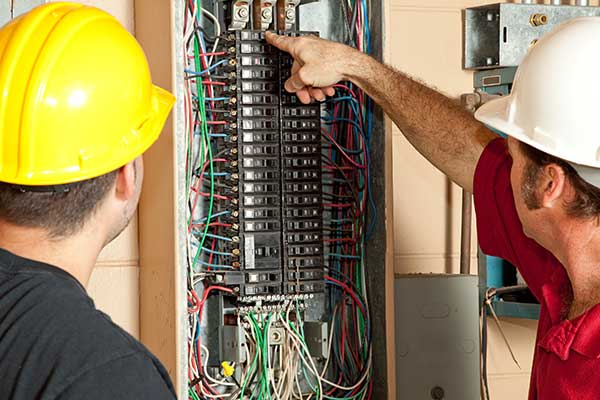
Surge Protection Starts at the Electrical Panel
Plug-in surge protectors can help protect the devices connected directly to them. Whole-home surge protection takes a broader approach by installing a surge protective device at the home’s electrical panel.
When excess voltage reaches the electrical system, the device is designed to divert surge energy and reduce the amount that continues through the home’s circuits. That creates a layer of protection for equipment throughout the house, including devices that cannot simply be plugged into a power strip.
One Layer of Broader Protection
- Major appliances
- Heating and cooling equipment
- Computers and electronics
- Smart-home devices
- Entertainment equipment
- Other connected electrical equipment
Why Consider Whole-Home Surge Protection?
A power surge is a sudden increase in voltage. Some originate outside the home, while others can occur as electrical equipment operates within the property. Utility disturbances, transformer problems, storms, lightning events, and the operation of larger electrical loads can all contribute to voltage fluctuations.
That matters because modern homes rely on electronics in far more places than televisions and computers. Circuit boards and electronic controls are now common in kitchen appliances, laundry equipment, heating and cooling systems, chargers, entertainment systems, and connected-home technology.
You May Consider Surge Protection If You:
- Have invested in new appliances or electronics
- Use smart-home or connected electrical equipment
- Want protection beyond individual surge strips
- Have experienced power interruptions or voltage fluctuations
- Are completing other electrical improvements
- Want another layer of protection for equipment throughout the home
Equipment Throughout the Home Can Be Exposed
- Refrigerators and kitchen appliances
- Washers and dryers
- Televisions and entertainment systems
- Computers and networking equipment
- Heating and cooling equipment
- Charging equipment and other electronics
Surge Protection for Clinton Township Homes
Clinton Township is part of Metro Electric’s established Southeast Michigan residential service area. Homes throughout the community can have very different electrical systems depending on their age, previous improvements, electrical equipment, and the additional loads homeowners have added over time.
A home with an older electrical setup may present different considerations than one that has already undergone electrical upgrades. New appliances, smart-home equipment, EV charging, generators, and other electrical additions can also change how homeowners use and depend on their electrical systems.
That is why Metro Electric evaluates the existing electrical equipment rather than assuming every Clinton Township home needs the same surge protection setup.
For help with electrical needs beyond surge protection, visit our Clinton Township electrical services page.
Already Planning Electrical Work?
Surge protection can be discussed while you are planning other electrical improvements, particularly when work involves the electrical panel or new equipment.
A surge protective device, however, does not increase electrical capacity or correct problems with an outdated, damaged, or inadequate panel.
If the panel itself is your concern, learn more about Metro Electric’s service panel upgrades.
How Panel-Mounted Surge Protection Works
Whole-home surge protection is installed at the electrical panel, creating a point of protection where the home’s electrical circuits are distributed. When a surge occurs, the surge protective device is designed to divert excess voltage and reduce the amount of surge energy that reaches connected equipment.
This differs from a standard plug-in surge strip, which serves only the devices connected directly to it. Panel-mounted protection provides broader coverage across the electrical system.
Because the device connects directly to the home’s electrical system, the panel and surrounding electrical conditions should be evaluated before installation. Available space, existing equipment, grounding and bonding conditions, and the requirements of the surge protective device can all affect the installation.
For information about Metro Electric’s broader Southeast Michigan service, visit our whole-home surge protection page.
What Whole-Home Surge Protection Can and Cannot Do
Surge protection is designed to reduce risk, not make a home’s electrical system immune to every possible electrical event.
What Surge Protection Is Designed to Do
- Respond to sudden increases in voltage
- Provide protection at the electrical panel
- Help reduce surge energy reaching connected equipment
- Provide coverage across multiple electrical circuits
- Add protection for equipment that cannot use a plug-in surge strip
What It Does Not Do
- Guarantee protection from every electrical surge
- Guarantee protection from a direct or severe lightning event
- Repair damaged or outdated wiring
- Increase the electrical service or panel capacity
- Correct overloaded circuits or recurring breaker problems
- Replace necessary grounding, bonding, or electrical repairs
For sensitive electronics, appropriate point-of-use protection may also provide an additional layer. Whole-home surge protection should be viewed as part of a broader approach to protecting the home’s electrical system and connected equipment.
What to Expect During Surge Protector Installation
A whole-home surge protector should be selected and installed around the electrical system already in your home. Metro Electric begins by evaluating the existing setup before determining what the installation requires.
1. Evaluate the Electrical Panel
A Metro Electric electrician reviews the existing panel and relevant electrical conditions to determine how surge protection can be incorporated into the system.
2. Discuss Your Protection Needs
We consider the electrical equipment in the home, your reasons for adding surge protection, and whether other electrical concerns should be addressed separately.
3. Install the Surge Protective Device
The appropriate equipment is installed at the electrical panel according to the requirements of the device and the home’s electrical system.
4. Verify the Completed Installation
After installation, the electrician checks the completed work and can explain the role of the surge protective device and any relevant indicators or considerations for the equipment.
Do You Still Need Plug-In Surge Protectors?
Whole-home and point-of-use surge protection serve different roles. A plug-in surge protector protects the devices connected directly to it, while a panel-mounted device provides a broader layer of protection for the home’s electrical system.
For particularly sensitive electronics, using appropriate point-of-use surge protection in addition to a whole-home device may provide another layer of defense.
The goal is layered protection rather than relying on one device to eliminate every possible electrical risk.
Surge Protection Is Not a Panel Upgrade
Installing a whole-home surge protector does not add electrical capacity to your home. It also does not resolve frequent breaker trips, damaged electrical equipment, overcrowded panels, or other underlying electrical problems.
If Metro Electric identifies a separate panel concern during an evaluation, we can explain the issue and whether additional electrical work should be considered.
Learn more about our service panel upgrades or electrical safety inspections if your concerns extend beyond surge protection.
Why Clinton Township Homeowners Choose Metro Electric
Metro Electric has served Southeast Michigan since 1997, with Clinton Township included in our residential service area. Our residential electricians are professionally trained and licensed in Michigan, and our technicians are background checked and drug tested.
Metro Electric also uses straightforward pricing for residential electrical work, helping homeowners understand the proposed service before moving forward. Our goal is to evaluate the electrical system, explain what we find, and recommend work based on the needs of the home.
Metro Electric serves Clinton Township from our Southeast Michigan operation. We do not represent Clinton Township as a separate physical Metro Electric office.
Explore our Clinton Township electrical services for additional residential electrical work available in the community, or visit our service areas page to see more of the communities we serve.
Whole-Home Surge Protection FAQs
Where is a whole-home surge protector installed?
A whole-home surge protective device is installed at the electrical panel. This allows it to respond to excess voltage before that surge energy travels farther through the home’s electrical circuits.
Does a whole-home surge protector protect against lightning?
Surge protection can help reduce surge energy associated with electrical disturbances and some storm-related events, but no surge protective device can guarantee complete protection from every surge or a direct or severe lightning event.
Do I still need surge-protecting power strips?
Point-of-use surge protection can provide an additional layer for sensitive electronics. Panel-mounted and plug-in protection serve different roles and can be used together as part of a layered approach.
Will a whole-home surge protector stop breakers from tripping?
No. Recurring breaker trips can indicate other electrical conditions that should be evaluated separately. Surge protection is intended to address transient excess voltage rather than overloaded circuits or other underlying electrical problems.
Does installing surge protection require a new electrical panel?
Not automatically. Metro Electric can evaluate the existing panel and determine what the surge protector installation requires. Separate panel condition or capacity concerns can be addressed independently if they are identified.
Can whole-home surge protection help protect appliances?
Yes. Panel-mounted surge protection is designed to provide a layer of protection across the home’s electrical system, including circuits serving appliances and equipment that cannot simply be connected to a plug-in surge strip.
Can surge protection prevent every type of electrical damage?
No. Surge protection addresses sudden increases in voltage. It does not repair faulty wiring, increase electrical capacity, correct overloaded circuits, or eliminate every potential source of electrical damage.
Does Metro Electric install whole-home surge protection in Clinton Township?
Yes. Clinton Township is part of Metro Electric’s Southeast Michigan residential service area. Our electricians can evaluate your electrical panel and determine an appropriate approach for adding panel-mounted surge protection to your home.
Protect More of Your Clinton Township Home
If your home relies on modern appliances, electronics, connected equipment, and other sensitive electrical devices, whole-home surge protection can add a broader layer of defense than relying on plug-in surge strips alone.
Call 586-331-5047 for residential electrical service in Clinton Township, or send Metro Electric a service request online.