
Common Warning Signs of Electrical System Wear and Tear
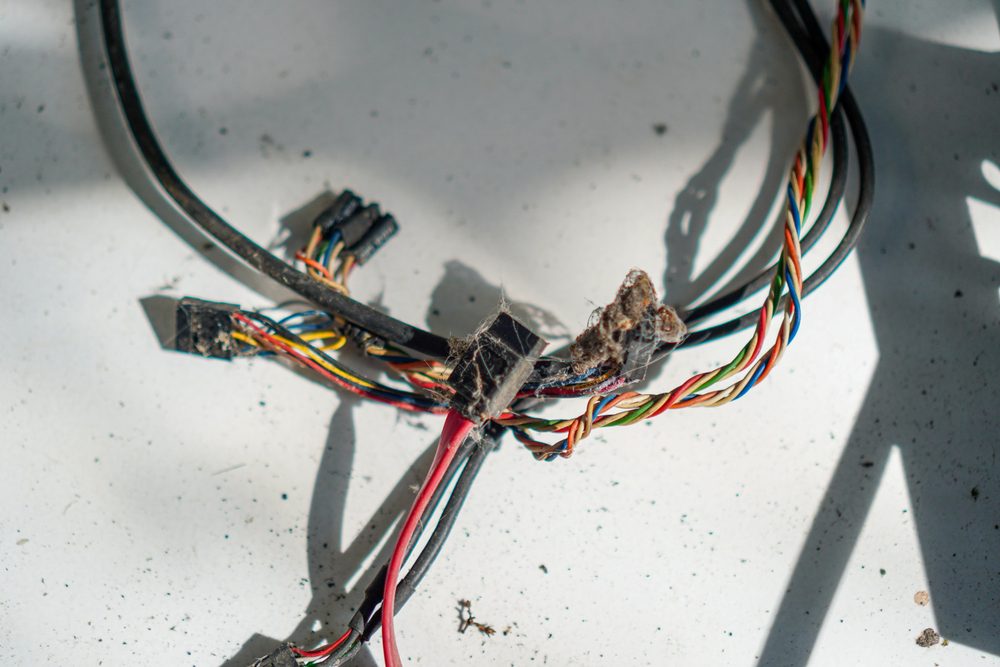
Every home’s electrical infrastructure experiences wear over time. While wiring, outlets, switches, and electrical panels are designed to last for many years, daily use, environmental conditions, and changing electrical demands gradually take their toll. Unfortunately, deterioration often happens behind walls or inside electrical components, making it difficult for homeowners to recognize problems before they become more serious.
An aging electrical system doesn’t always fail suddenly. Instead, it typically provides subtle warning signs that something is no longer functioning as it should. Recognizing these indicators early can help homeowners address developing issues before they lead to costly repairs, equipment damage, or safety hazards.
Why Electrical Systems Naturally Wear Over Time
Like plumbing, roofing, or HVAC equipment, electrical components have a finite lifespan. Every time a switch is flipped, an outlet is used, or a breaker responds to changing electrical loads, small amounts of wear occur.
Temperature changes, humidity, vibration, and normal expansion and contraction of materials also contribute to gradual deterioration. Loose electrical connections may develop, insulation can become brittle, and moving components inside switches and breakers slowly wear down after years of service.
While high-quality installations can perform reliably for decades, no electrical system remains unchanged forever. Understanding this natural aging process helps homeowners recognize when maintenance or upgrades may be appropriate.
Flickering or Dimming Lights
Occasional light flickering during severe weather may not be unusual, but persistent flickering inside the home deserves attention.
Lights that dim when large appliances start operating can indicate circuits under strain or connections that are no longer performing properly. Flickering limited to one fixture may point to a localized issue, while widespread lighting fluctuations could suggest a broader electrical concern.
Because lighting problems often appear before larger failures develop, they can serve as an early warning that the system should be evaluated.
Frequently Tripped Circuit Breakers
Circuit breakers exist to protect wiring from unsafe electrical conditions.
A breaker that trips once after an unusual overload is generally doing its job. However, repeated trips occurring during normal household activities may indicate that circuits are carrying more electrical demand than intended or that components have begun deteriorating.
Some homeowners simply reset breakers and continue using the circuit, but recurring interruptions should never become part of everyday life. Identifying the underlying cause helps prevent continued stress on the electrical system.
Warm Outlets, Switches, or Wall Plates
Electrical devices should not become noticeably warm during ordinary use.
If outlets or switches feel hot or unusually warm, excess heat may be developing inside the wiring or electrical connections. Heat often indicates resistance, loose wiring, overloaded circuits, or worn components that are no longer making proper electrical contact.
Although these symptoms may seem minor at first, overheating can accelerate component failure and increase safety risks if left unaddressed.
Buzzing Sounds or Unusual Noises
Electricity itself operates silently.
If an outlet, switch, breaker panel, or light fixture produces buzzing, humming, or crackling sounds, it often suggests an electrical connection that is no longer functioning correctly.
Loose wiring, worn switches, damaged breakers, or failing components can all produce audible noises as electricity attempts to travel through compromised connections.
Any persistent electrical noise deserves prompt investigation rather than simply becoming background sound that homeowners learn to ignore.
Burning Odors or Discolored Components
One of the most serious warning signs involves burning smells coming from outlets, switches, or electrical panels.
The odor may resemble melting plastic or overheated insulation. In some cases, homeowners also notice discoloration, scorch marks, or darkened areas surrounding electrical devices.
These symptoms often indicate that overheating has already begun affecting nearby materials. Unlike cosmetic wear, burning odors signal conditions that require immediate attention.
Outlets That No Longer Hold Plugs Securely
Outlets naturally wear from years of repeated use.
If plugs easily fall out, feel loose, or require repositioning to maintain power, the internal contacts inside the receptacle may have weakened.
Loose electrical connections create increased resistance, which can generate heat during operation. Replacing worn outlets not only restores convenience but also improves the overall reliability of the home’s electrical system.
Aging Panels and Increasing Electrical Demand
Homes built decades ago were designed for lifestyles that looked very different from today.
Modern households often include home offices, gaming systems, large televisions, smart appliances, security equipment, electric vehicle chargers, and numerous charging stations operating simultaneously.
Even if the original wiring remains functional, an older electrical panel may struggle to support today’s electrical demands efficiently.
As homeowners renovate, expand, or add new technology, evaluating overall system capacity becomes an increasingly important part of long-term home maintenance.
The Importance of Preventive Maintenance
Many electrical failures can be prevented through routine evaluation rather than emergency repairs.
Scheduling an electrical inspection allows potential issues to be identified before they become more expensive or hazardous. During an inspection, electrical professionals can examine wiring, outlets, switches, breakers, grounding systems, and panel condition to identify wear that may not be visible during everyday use.
Preventive maintenance also provides an opportunity to determine whether the home’s electrical system remains well suited for changing household needs.
When It’s Time to Call a Professional
Not every electrical issue signals a major repair, but recurring warning signs should never be ignored.
Persistent breaker trips, warm outlets, flickering lights, unusual noises, burning odors, or aging electrical equipment all deserve professional evaluation. Addressing concerns early often limits repair costs while improving both safety and long-term reliability.
Experienced licensed electricians have the training and diagnostic tools needed to identify hidden issues, recommend practical solutions, and ensure electrical work meets current safety standards.
Keep Your Home’s Electrical System Performing Safely
If you’ve noticed recurring electrical issues or simply want confidence that your home’s wiring and equipment remain in good condition, Metro Electric can help. Whether you’re dealing with aging components, planning renovations, or looking to improve long-term reliability, experienced professionals can evaluate your system and recommend practical solutions.
Contact us today to schedule an appointment and take the next step toward a safer, more dependable home.