
How Smart Home Devices Affect Electrical Demand
Smart technology has quickly become a standard feature in many homes. From voice-controlled assistants and smart thermostats to security cameras, automated lighting, and connected appliances, today’s households are more connected than ever before. While these innovations improve convenience, energy management, and home security, they also introduce new demands on residential electrical systems.
Although individual smart home devices typically consume relatively little electricity, the cumulative impact of dozens of connected products can place additional strain on a home’s wiring and electrical infrastructure. Understanding how these technologies affect electrical demand helps homeowners make informed decisions as they continue expanding their connected living spaces.
Why Smart Homes Use More Electricity Than Many People Realize
When people think about higher electricity usage, they often picture air conditioners, ovens, or electric water heaters. Smart devices rarely come to mind because many consume only a few watts while operating.
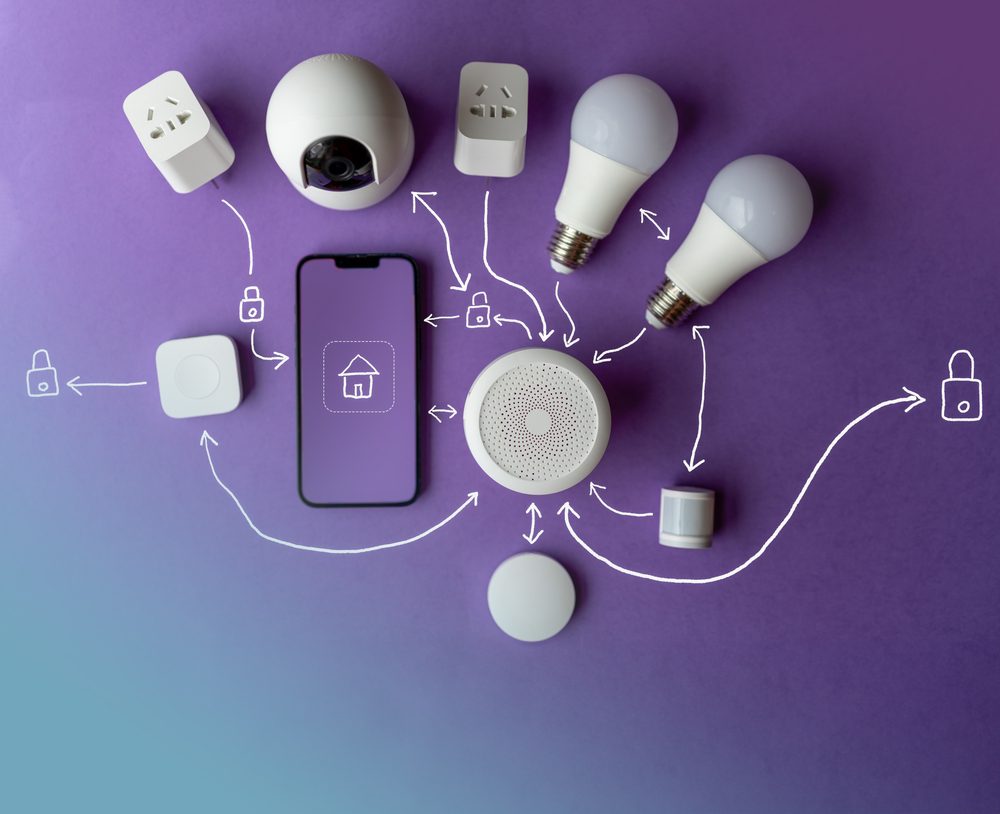
However, modern smart homes rarely include just one or two connected products. Instead, homeowners may have dozens of devices running around the clock. These often include smart speakers, video doorbells, Wi-Fi routers, streaming devices, indoor and outdoor cameras, smart plugs, connected smoke detectors, irrigation controllers, automated locks, and voice assistants.
Each device draws only a modest amount of electricity, but together they create a continuous baseline demand that didn’t exist in homes built just a few decades ago.
Connected Devices Operate Around the Clock
Unlike traditional electronics that are turned off after use, many smart products remain active 24 hours a day.
Security cameras continuously monitor activity. Wi-Fi routers maintain network connections. Smart hubs communicate with every connected device throughout the home. Smart thermostats constantly collect temperature data, while sensors monitor doors, windows, motion, and environmental conditions.
This constant operation means electrical demand becomes more consistent throughout the day rather than peaking only when appliances are actively in use.
Although standby power consumption is relatively small for each product, the combined effect becomes more noticeable as households continue adding connected technology.
Smart Appliances Add New Electrical Loads
Some of the biggest changes in electrical demand come from smart versions of traditional household appliances.
Modern refrigerators, ovens, washers, dryers, and HVAC systems often include Wi-Fi connectivity alongside larger electrical requirements. While the smart features themselves use little power, homeowners are frequently upgrading to larger, more capable appliances at the same time they embrace connected technology.
Similarly, electric vehicle chargers, battery backup systems, and smart energy management equipment introduce entirely new electrical loads that older homes were never designed to accommodate.
These additions can increase the importance of evaluating overall system capacity rather than focusing on individual devices.
Home Automation Systems Can Increase Simultaneous Usage
Automation makes daily routines more convenient, but it can also cause multiple electrical systems to operate at once.
For example, arriving home may trigger outdoor lighting, interior lighting, climate control, entertainment equipment, garage doors, and security systems simultaneously.
Rather than manually activating one appliance after another, automation allows numerous devices to start instantly based on schedules, motion sensors, or voice commands.
This increased coordination creates brief periods where electrical demand spikes more rapidly than it might have with traditional manual operation.
Why Older Homes May Face Greater Challenges
Many older homes were built when electrical demands looked very different.
Decades ago, households typically had fewer electronics, fewer dedicated circuits, and significantly less continuous electrical usage. Today’s homes often include multiple televisions, home offices, gaming systems, charging stations, connected appliances, and dozens of smart accessories.
As these additions accumulate, existing wiring and service panels may begin approaching their intended capacity.
In some situations, an electrical panel upgrade becomes necessary to safely support growing electrical demand while allowing room for future expansion.
Electrical Capacity Planning Matters More Than Ever
One of the biggest mistakes homeowners make is thinking only about today’s electrical needs.
Smart technology tends to expand gradually. A homeowner may start with a video doorbell before adding cameras, smart lighting, automated blinds, irrigation controls, whole-home audio, battery storage, and eventually an EV charger.
Each addition may seem relatively minor on its own, but together they can significantly change how electricity is distributed throughout the home.
Planning for future growth allows homeowners to make smarter decisions when remodeling, replacing panels, or adding new circuits.
Energy Efficiency Does Not Always Mean Lower Electrical Demand
Many smart technologies improve energy efficiency.
Programmable thermostats optimize heating and cooling schedules. Smart lighting reduces unnecessary usage. Automated irrigation systems conserve water. Occupancy sensors help eliminate wasted electricity.
However, greater efficiency does not necessarily reduce overall electrical demand.
Many households simply add more connected technology because automation makes daily life easier. The resulting increase in the number of electrical devices can offset some of the efficiency gains while placing additional demand on the home’s electrical system.
Understanding this balance helps homeowners develop realistic expectations about both energy savings and infrastructure requirements.
Signs Your Electrical System May Need Attention
Most smart home installations proceed without difficulty, especially when electrical systems have sufficient capacity.
However, homeowners should pay attention to recurring warning signs that suggest the electrical system is under increased stress. These may include breakers that trip frequently, lights that dim when larger appliances start, outlets that feel unusually warm, or circuits that become overloaded after adding new equipment.
These symptoms do not always indicate serious problems, but they should not be ignored. As more connected devices are installed, identifying capacity limitations early often prevents larger electrical issues from developing later.
Working With the Right Professional
Installing a few smart switches or outlets may appear straightforward, but larger home automation projects often involve electrical planning beyond the installation of individual devices.
A licensed electrician can evaluate available circuit capacity, determine whether dedicated circuits are needed, assess panel limitations, and ensure new equipment complies with current electrical codes.
Professional guidance becomes especially valuable for homeowners planning significant renovations, adding electric vehicle charging equipment, or integrating whole-home automation systems that will continue expanding over time.
Planning for a Smarter Home?
Adding more connected technology should enhance your home without creating electrical concerns. Whether you’re preparing for future automation, installing larger smart appliances, or wondering if your current system can support additional devices, Metro Electric can help evaluate your home’s electrical needs and recommend practical solutions.
Contact us today to schedule an appointment, and take the next step toward building a safer, smarter home.