

Common Electrical Faults That Trigger AFCI Breaker Trips
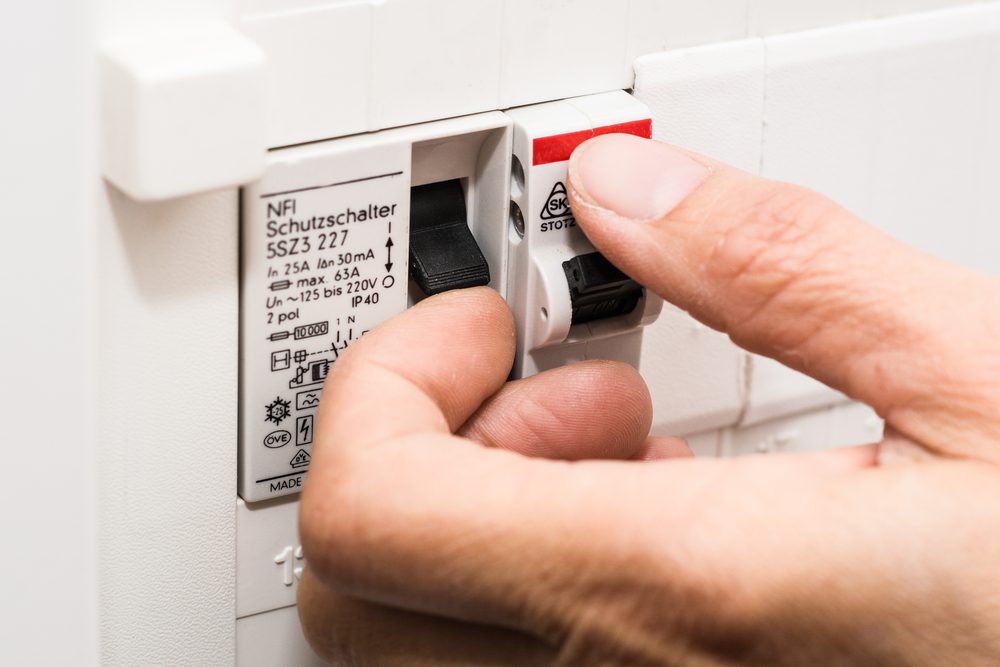
When an electrical breaker shuts off unexpectedly, it can interrupt everyday activities and leave homeowners wondering whether something is wrong with their wiring. When AFCI breaker trips occur repeatedly, the cause may involve damaged insulation, loose electrical connections, a malfunctioning appliance, or another condition that creates an electrical arc. Identifying the underlying problem matters because electrical arcing can generate enough heat to ignite nearby materials.
Arc-fault circuit interrupters are designed to recognize certain dangerous arcing patterns and disconnect power before those conditions lead to a fire. Unlike a conventional breaker that primarily responds to excessive current, an AFCI can detect electrical signatures associated with hazardous arcing, even when the circuit is not drawing enough current to trip a standard breaker. Understanding the warning signs of faulty electrical wiring can help homeowners recognize when a recurring interruption deserves closer attention.
How AFCI Breakers Detect Electrical Problems
An AFCI breaker continuously monitors the electrical current flowing through a protected circuit. Its internal electronics analyze patterns that may indicate arcing, which occurs when electricity jumps across an unintended gap between conductive materials. This can happen when a wire connection becomes loose, insulation deteriorates, or a cord develops internal damage.
Not every electrical arc is dangerous. Small arcs can occur during normal operation when certain switches or appliances are turned on or off. AFCI technology is designed to distinguish many hazardous arc patterns from normal electrical activity, although no protective device detects every possible fault.
An AFCI may be installed directly in an electrical panel or incorporated into certain receptacle devices, depending on the design. Requirements vary according to the applicable electrical code, the location of the circuit, and the circumstances of the installation.
These devices are particularly important in residential spaces where wiring runs through walls, ceilings, and other areas that are not routinely inspected. A developing fault can remain hidden until the breaker interrupts the circuit or other warning signs become noticeable.
Common Electrical Faults That Cause AFCI Breakers to Trip
Several different conditions can activate an AFCI. The timing of the interruption, the appliances operating at the time, and whether the problem occurs on one circuit or several can provide useful diagnostic clues.
1. Loose or Deteriorating Wire Connections
Loose electrical connections are a significant potential source of arcing. Over time, connections can deteriorate because of mechanical stress, vibration, improper installation, or aging components. When conductors no longer maintain reliable contact, electricity may arc across the resulting gap.
These problems can occur at receptacles, switches, junction boxes, light fixtures, or connections inside an electrical panel. A homeowner might notice that a breaker trips when a particular light switch is operated or when a device plugged into a certain outlet is used.
However, the apparent connection between an appliance and a breaker interruption does not necessarily identify the actual fault. The problem could be elsewhere on the same circuit. Connections inside electrical boxes and panels should be examined by a qualified electrician rather than tightened or manipulated without proper training.
2. Damaged Wiring or Insulation
Electrical wiring can become damaged during renovations, furniture installation, pest activity, or ordinary wear. Nails and screws may penetrate concealed cables, while repeated bending or crushing can compromise insulation. Older wiring may also deteriorate as its protective materials age.
When insulation fails, conductors can contact one another or nearby conductive surfaces in ways that produce hazardous arcing. Damage may be hidden behind drywall, beneath flooring, or inside ceilings, making the source difficult to identify through visual inspection alone.
If AFCI breaker trips begin after remodeling, drilling, hanging fixtures, or other work near concealed wiring, that timing is worth reporting during an electrical evaluation. Do not remove wall coverings or open electrical boxes to search for damaged conductors unless you are qualified to do so.
3. Faulty Appliances and Power Cords
An appliance does not have to be permanently installed to create an electrical fault. Damaged power cords, worn internal components, defective switches, and deteriorating connections can produce arcing that activates an AFCI.
Common household devices worth considering include vacuum cleaners, power tools, refrigerators, computers, and other equipment that operates on the affected circuit. A problem that appears whenever one particular appliance starts may indicate an issue with that device or its interaction with the circuit.
Disconnecting a suspect appliance may help establish whether the problem is associated with its operation, provided there are no signs of immediate danger. Do not continue plugging in a device that produces sparks, emits a burning odor, has a damaged cord, or repeatedly causes protective devices to operate. Such equipment should remain out of service until it can be assessed safely.
4. Damaged Outlets, Switches, or Extension Cords
Outlets and switches experience repeated physical use. Over time, internal contacts may wear, plugs may fit loosely, and electrical connections may deteriorate. Extension cords can also develop damage from crushing, sharp bends, overheating, or repeated pulling.
These conditions can create unintended gaps through which electrical current arcs. In some cases, an AFCI interruption may coincide with plugging in a device, operating a switch, or moving a cord.
Visible discoloration, melted plastic, crackling sounds, or a burning smell are more serious warning signs than an isolated breaker interruption. Stop using the affected outlet or equipment and seek qualified assistance. If smoke or active fire is present, leave the area and contact emergency services.
5. Incorrect Wiring or Incompatible Circuit Components
Electrical systems depend on correctly installed conductors, properly configured protective devices, and connections that follow the requirements of the equipment. Incorrect wiring, improper modifications, or incompatible components can cause an AFCI to operate unexpectedly.
For example, certain neutral-wire configurations or wiring errors can interfere with a breaker’s operation. Older installations that have been modified over the years may also contain changes that are difficult to recognize without tracing the circuit.
AFCI devices are not interchangeable with every other type of breaker. Replacing one with a conventional breaker simply because the original keeps tripping can remove an important layer of fire protection and may violate applicable electrical requirements. The correct response is to identify the fault and verify that the protective device and circuit are properly configured.
Other Factors That Can Contribute to AFCI Trips
Can Normal Appliance Operation Trigger a Trip?
Some appliances and electronic devices produce electrical signals that can resemble the patterns an AFCI is designed to recognize. Certain motor-driven equipment, switching power supplies, and electronic controls may contribute to nuisance tripping under specific circumstances.
However, a breaker that trips during appliance operation should not automatically be considered defective. The interruption could reflect a genuine wiring fault, a problem inside the appliance, or an interaction between the equipment and the protective device.
If the problem consistently occurs when one device operates, record which appliance is running and what happens immediately before the interruption. This information can help narrow the possibilities without requiring repeated attempts to reproduce the fault.
Is an Electrical Circuit Overload the Cause?
An electrical circuit overload occurs when connected equipment draws more current than the circuit is designed to carry. A conventional overcurrent breaker is intended to respond to excessive current, while an AFCI focuses on detecting potentially hazardous arcing.
These protective functions address different risks, although some AFCI breakers also incorporate overcurrent protection. A trip may therefore result from an overload, an arc fault, or another condition that the device is designed to detect.
The distinction matters because reducing the number of connected appliances will not necessarily resolve a wiring defect. If the breaker repeatedly trips during ordinary use, the circuit should be evaluated rather than assumed to be overloaded.
What to Check When an AFCI Breaker Trips
Homeowners can gather useful information without opening electrical equipment or attempting repairs. A careful record of the circumstances surrounding a trip may help distinguish an isolated incident from a recurring electrical problem.
Consider the following observations:
- Identify the affected circuit. Note which rooms, outlets, and lights lose power when the breaker operates.
- Record the timing. Determine whether the interruption occurs when a particular appliance starts, a switch is operated, or a device is plugged in.
- Look for visible damage. Without touching damaged equipment, check for obvious cord deterioration, discolored outlets, or other external warning signs.
- Review recent changes. Note any new appliances, electrical installations, renovations, or work near concealed wiring.
- Observe whether the problem recurs. A single unexplained trip and repeated interruptions during normal use may indicate different circumstances, but neither should be dismissed when a fault is suspected.
These observations can help guide further investigation, but they cannot establish whether a circuit is safe. Do not repeatedly reset a breaker to restore power when the cause remains unknown. If you notice burning odors, unusual heat, buzzing, smoke, or visible damage, stop using the affected circuit and seek appropriate assistance. If there is an immediate fire hazard, evacuate and contact emergency services.
Frequently Asked Questions About AFCI Breaker Problems
Should an AFCI Breaker Trip Every Time an Appliance Starts?
No. An AFCI breaker should not routinely interrupt power during normal appliance operation. If the interruption repeatedly coincides with starting a device, the appliance, its cord, the circuit wiring, and the breaker configuration may need evaluation. The timing provides a clue, but it does not prove which component is responsible.
Can a Bad AFCI Breaker Cause Repeated Trips?
Yes. A defective breaker can sometimes trip even when there is no underlying arc fault. However, it is important to rule out actual wiring damage, loose connections, incompatible equipment, and other electrical problems before concluding that the breaker itself has failed. Replacing the breaker without diagnosing the cause may leave a hazardous condition unresolved.
Is It Safe to Keep Resetting an AFCI Breaker?
Repeatedly resetting a breaker without understanding why it trips is not a safe troubleshooting strategy. Each interruption indicates that the protective device has detected a condition requiring attention, although the exact cause may vary. If the breaker continues to trip, leave the affected circuit off until the issue has been appropriately evaluated.
What Is the Difference Between AFCI and GFCI Protection?
AFCI protection is intended to reduce fire risks associated with certain types of electrical arcing. Ground-fault circuit interrupter (GFCI) protection is designed to reduce the risk of electric shock by detecting current leakage along an unintended path. These devices address different hazards, and some locations or installations may require both forms of protection. Neither device replaces the need for sound wiring, proper grounding, and correctly installed electrical equipment.
When Repeated AFCI Trips Require Professional Attention
Recurring interruptions deserve particular attention when they happen without an obvious explanation, affect a circuit that previously operated normally, or occur alongside other warning signs. Damaged insulation and loose connections can remain concealed, while a malfunctioning appliance may create a fault only when certain components are energized.
A qualified electrician can investigate the affected circuit, inspect accessible wiring and connections, evaluate the breaker and panel configuration, and use appropriate diagnostic methods to identify the cause. The necessary repair may involve an appliance, an outlet, a damaged conductor, a wiring correction, or a defective protective device. The appropriate solution depends on the findings rather than the frequency of the trips alone.
Understanding the cause of AFCI breaker trips is ultimately about preserving the protection these devices provide. Rather than treating every interruption as an inconvenience, consider it a reason to assess the circumstances and determine whether an underlying electrical problem needs attention.
Resolve Recurring AFCI Breaker Trips With Metro Electric
When a breaker repeatedly interrupts power and the cause is unclear, Metro Electric can help investigate the electrical issue and determine the appropriate next steps. Metro Electric serves residential customers throughout Southeast Michigan and offers electrical repairs, upgrades, and safety inspections to help homeowners address wiring concerns and maintain reliable electrical systems.
Contact us today to arrange an electrical evaluation and identify the cause of recurring breaker trips before an unresolved fault becomes a greater safety concern.