

How Childproofing Helps Prevent Electrical Accidents
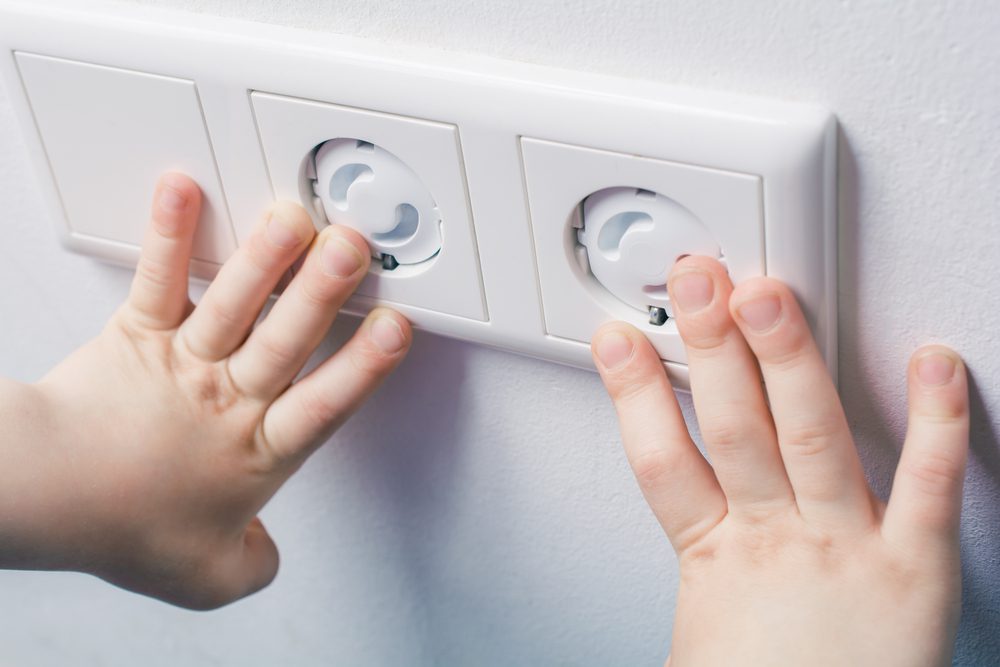
Children are naturally curious about their surroundings, and everyday household electrical features can attract their attention. Outlets, charging cables, power strips, and appliances may look harmless, but contact with energized electrical components can cause serious shocks, burns, and other injuries. Electrical childproofing helps reduce these risks by limiting access to hazards and making the home safer as children begin crawling, walking, and exploring independently.
Preventing electrical accidents requires more than covering outlets. It also means securing loose cords, positioning appliances carefully, checking damaged equipment, and teaching children age-appropriate safety habits. A useful starting point is understanding how residential electrical systems and safety features work together to protect a household. With a few practical precautions and regular inspections, parents and caregivers can address many common hazards before an accident occurs.
Why Electrical Childproofing Matters
Young children often explore by touching, pulling, reaching, and putting objects in their mouths. Their limited understanding of danger makes ordinary household electrical equipment particularly concerning. A child might insert a small object into an outlet, pull a lamp cord, chew on a charging cable, or reach toward an appliance near water.
Electrical injuries can happen quickly, and the consequences depend on factors such as the current involved, the path electricity takes through the body, and the duration of contact. Even a brief encounter can cause burns or muscle reactions that lead to secondary injuries. Severe shocks can affect breathing and heart function.
Childproofing reduces opportunities for accidental contact, but it cannot eliminate every hazard. Effective prevention combines physical barriers, appropriate electrical protection, safe equipment placement, and adult supervision. Each measure addresses a different part of the risk, making a layered approach more dependable than relying on a single product.
Common Electrical Hazards Around Children
Exposed Electrical Outlets
Wall outlets are often positioned at a height that makes them easy for crawling babies and toddlers to reach. Unused outlets can attract attention because their openings are visible and may appear to be places where small objects fit.
Inserting a conductive object into an energized outlet can expose a child to dangerous electrical current. Outlet covers and tamper-resistant receptacles can reduce this risk, although their effectiveness depends on the device, its installation, and the condition of the outlet.
Loose Cords and Charging Cables
Power cords can create several hazards at once. A child who pulls a cord may bring a lamp, appliance, or other heavy object down onto themselves. Damaged insulation can expose conductors, while cords stretched across walkways may create tripping risks.
Charging cables deserve particular attention because they are frequently left on beds, sofas, floors, and low tables. Keep cables out of reach when they are not being used, and remove damaged cords from service rather than covering exposed areas with tape and continuing to use them.
Power Strips and Extension Cords
Power strips and extension cords often sit close to the floor, where children can reach their switches, plugs, and connected equipment. Some may also be placed behind furniture without adequate ventilation or used with more electrical load than they are designed to handle.
A child may pull at a connected plug or play with a power strip’s switches. In other cases, damaged cords or overloaded equipment can create overheating and fire risks. Permanent electrical needs should generally be addressed with appropriately installed outlets rather than relying on extension cords as a long-term substitute.
Electrical Appliances Near Water
Bathrooms, kitchens, laundry areas, and other spaces where water is present require special attention. Hair dryers, countertop appliances, and other electrical equipment can become dangerous when they are used near sinks, bathtubs, wet surfaces, or standing water.
Children may not recognize why a plugged-in appliance should remain untouched, especially when it looks like an ordinary household object. Store electrical devices securely, unplug equipment when appropriate, and keep appliances away from water and children’s reach.
Practical Ways to Childproof Your Home’s Electrical System
Install Tamper-Resistant Outlets
Tamper-resistant receptacles are designed with internal shutters that help prevent foreign objects from entering the outlet slots. The shutters generally open when a compatible plug applies pressure to both slots simultaneously, making it more difficult for a child to insert a single object.
These receptacles provide a built-in layer of protection and can be especially useful in rooms where children spend considerable time. For existing outlets, avoid assuming that every receptacle has this feature. A qualified electrician can determine whether upgrades are appropriate and ensure that new outlets are installed correctly.
Removable outlet covers may offer additional protection for certain situations, but they must fit securely and remain intact. Small covers can become choking hazards if a child removes them, so built-in tamper-resistant protection is often a practical long-term option.
Secure Cords and Keep Electrical Equipment Out of Reach
Reducing access to electrical cords can prevent children from pulling appliances off furniture, chewing on cables, or handling damaged wiring. Arrange charging stations on stable surfaces that children cannot easily reach, and use suitable cord organizers to prevent cables from dangling over edges.
Keep power strips secured in locations inaccessible to young children, while ensuring that ventilation is not blocked. Avoid running electrical cords beneath rugs, bedding, or heavy furniture, where damage and overheating may go unnoticed.
These adjustments are particularly important in living rooms and bedrooms, where lamps, televisions, chargers, and entertainment equipment often create clusters of accessible cords. Review these areas whenever furniture is rearranged or new devices are introduced.
Use Appropriate Electrical Protection
Ground-fault circuit interrupters, commonly called GFCIs, help reduce the risk of electric shock by disconnecting power when they detect current leaking along an unintended path. They are especially important in locations where electricity and moisture may come into contact, including bathrooms, kitchens, garages, and outdoor areas.
GFCI protection does not make it safe to touch electrical equipment with wet hands or use appliances near water. It is an additional safeguard, not a substitute for proper supervision and safe practices.
Electrical childproofing may also involve evaluating the home’s wiring, grounding, outlets, and protective devices. Older or modified systems may have deficiencies that are not obvious from the outside. A qualified electrician can assess whether the existing installation provides appropriate protection for the household.
A Room-by-Room Electrical Safety Checklist
A consistent inspection routine helps caregivers identify hazards that may develop as children grow and become more mobile. Use the following checklist to review frequently used areas of the home.
- Living room: Secure television and lamp cords, position power strips out of reach, and keep children away from accessible outlets.
- Bedrooms: Keep charging cables off beds and floors, inspect cords for damage, and place electrical devices where children cannot pull them down.
- Kitchen: Move countertop appliances away from edges, keep cords clear of work surfaces, and prevent children from reaching powered equipment near sinks.
- Bathroom: Store hair dryers and similar devices securely, keep plugged-in appliances away from water, and ensure appropriate GFCI protection.
- Laundry and utility areas: Secure access to appliances, keep cords and power connections clear of children, and prevent unsupervised access to equipment rooms where necessary.
- Outdoor spaces: Protect children from accessible outdoor outlets, damaged extension cords, and electrical equipment used near pools or other wet areas.
Repeat this review as children begin crawling, climbing, and reaching higher surfaces. A setup that works for an infant may no longer be adequate for a curious toddler who can open cabinets or pull objects from tables.
Teaching Children Safe Electrical Habits
Physical safeguards are essential, but children also benefit from learning simple rules as their understanding develops. Explain that outlets, plugs, cords, and electrical appliances are not toys. Use clear, consistent language and redirect curiosity toward safe activities rather than relying solely on warnings about what could happen.
Older children can learn to recognize damaged cords, avoid touching electrical equipment with wet hands, and ask an adult for help when a device does not work. They should also understand that fallen power lines must never be approached or touched, even if the lines appear inactive.
Supervision remains important because safety rules do not eliminate curiosity or impulsive behavior. During everyday activities, adults can model safe habits by unplugging equipment appropriately, keeping electrical devices away from water, and avoiding overloaded outlets. These routines reinforce electrical safety for children as they become more independent.
When to Seek an Electrical Safety Inspection
Some hazards cannot be corrected with outlet covers or cord organizers. Loose receptacles, exposed wiring, scorch marks, persistent buzzing, unusual heat, and burning odors may indicate an electrical problem that requires investigation. Damaged outlets should not be used, and exposed conductors should never be handled.
If an outlet sparks repeatedly, a breaker trips frequently, or an electrical device shows signs of overheating, stop using the affected equipment and seek qualified assistance. If there is smoke or an active fire, evacuate and contact emergency services.
A home inspection can help identify unsafe wiring, missing or unsuitable protective devices, damaged receptacles, and other conditions that may increase the risk of injury. This is particularly valuable before a baby begins crawling or when moving into a home with an unknown electrical history.
Childproofing works best when physical barriers, suitable electrical protection, routine checks, and adult supervision are treated as complementary measures. Addressing hazards early helps create a safer environment without relying on any single device to prevent every possible accident.
Make Your Home Safer for Children With Metro Electric
Metro Electric provides residential electrical services in Southeast Michigan, including outlet upgrades, wiring repairs, and electrical safety inspections. An evaluation can help identify potential hazards and determine which improvements may make your home’s electrical system safer for a growing family.
Contact us today to discuss electrical safety improvements that can help reduce household hazards and protect curious young children.